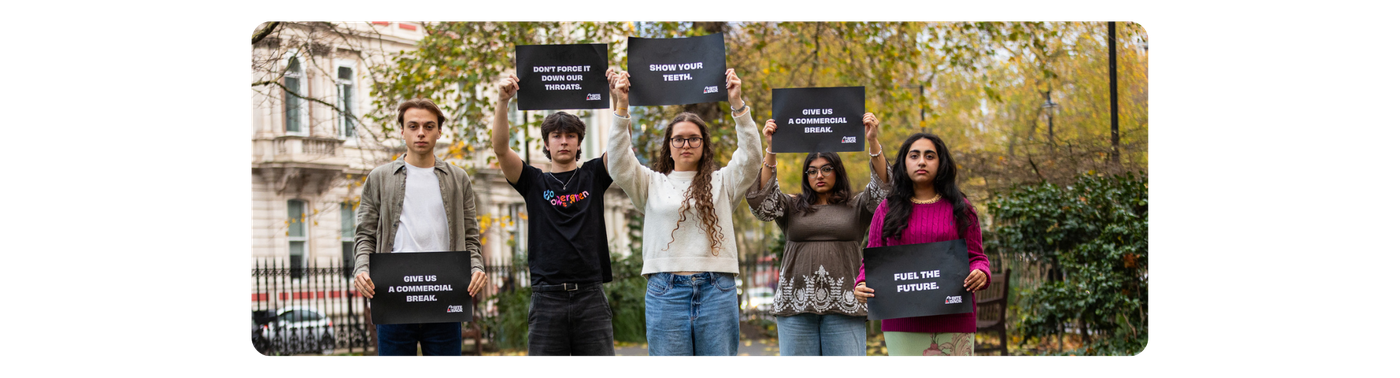
How Junk Food Giants are capitalising on our attention through social media
17 Jul 2026
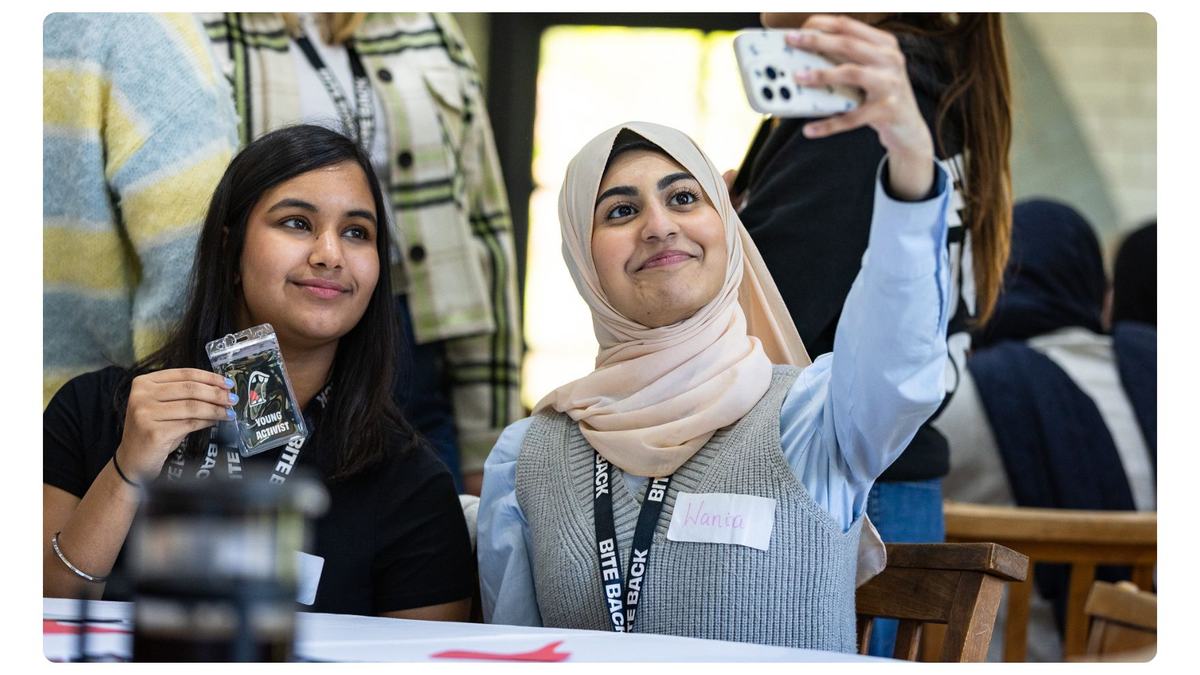
Bite Back activist Sienna shares how she faces off against Big Food as a young person on social media.
My post school routine is pretty simple - get home, get changed, pillage the fridge. After a long day and an even longer journey back, it’s safe to say that I, like many other people, go looking for that post school snack. Before I can even send a Snap to my friends, it’s there. At the top of my messages. In bright purple.
‘FREE Chicken Big Mac’.
It’s like Big Food knows exactly how to get to me - I’m tired, and as if by magic, junk food has raided my phone. I open Instagram, and it's there, interwoven between my family’s latest posts and my ‘For You’ page. It’s a ‘blink and you’d miss it’ reel.
But it's there and it's systemically conditioning us to buy that new product.
When I heard we were researching Big Food’s social media channels, I jumped straight at the chance.
It's something that I’ve noticed gradually increasing over the last few years, as big food companies have started to force their way in, by any means necessary.
Big Food is obsessed with capturing our attention, and is uncompromising on the impact that has on our health. I could be scrolling before bed, laughing at the latest memes that everyone is trying to replicate.
It’s right there, in front of my face- McDonalds recreating the latest trend, perfectly manufactured to slip right into the algorithm.
The worst part? It’s obviously made to target young people. My parents may get emails on Fridays advertising ‘50% off’, but we get spammed with reels, DMs, sounds and trends every day, as big food infiltrates brain rot culture.
When we first spoke about this research at Bite Back, as an activist, I can’t say I was surprised by what I saw. As a young person though, I felt…
Violated.
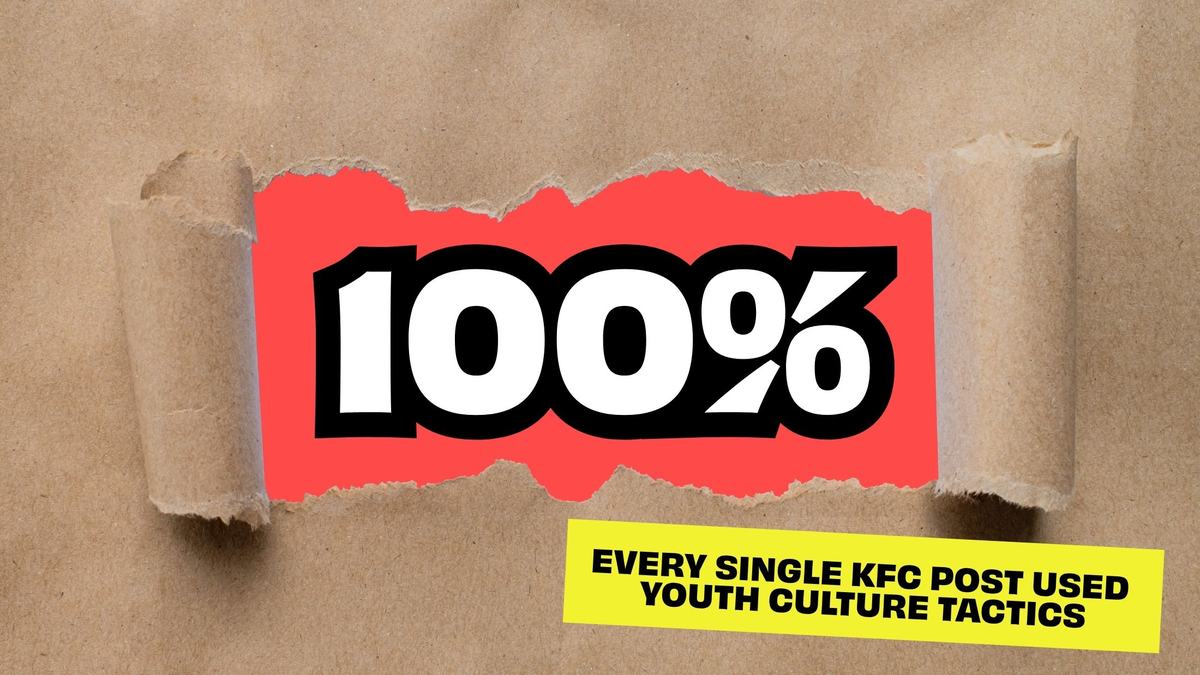
The only thought I could conjure was ‘how is this legal’? That 100% of KFCs social media posts were targeted towards young people. When junk food invades every part of our lives, it's so hard to be healthy. There are entire marketing teams out there, crafting content to exploit us in the spaces where we connect and socialise.
This research highlights a wider issue. Junk food is now embedded into youth culture, always adapting to cater to our interests. There are parallels between how social media content is thrown at us, and how junk food marketing is force fed to us.
These billion-dollar industries are putting profit before health, and it’s done right in front of our faces: these tactics are as cunning as they are intentional.
When we are consistently exposed to junk food marketing disguised as our latest obsessions, we forget what we are looking at is, in fact, marketing.
If it’s not brain rot trends, it’s through our favourite influencers, as Big Food offers buckets of money in exchange for their products to be shoved in our faces. Influencers have the power to turn their actions into something desirable, and if there is one thing these corporations know how to do, it’s how to profit off the hype.
The system is rigged, and most people never even realise. Whether you agree with the social media ban or not, one thing is certain: Big Food will shift tactics again. They will try and adapt by any means necessary, to ensure that we are always aware of their presence.
But we are watching. The first thing I did after reading our research, was to speak up. We should never underestimate the power of our voices.
We’ve let Big Food capitalise on our attention for too long.
You'll be redirected to our official JustGiving page, where your donation will be processed securely.