Report: Click-bait vs children’s health: How are big food chains exploiting loopholes to promote junk food on social media?
How are big food chains exploiting loopholes to promote junk food on social media?
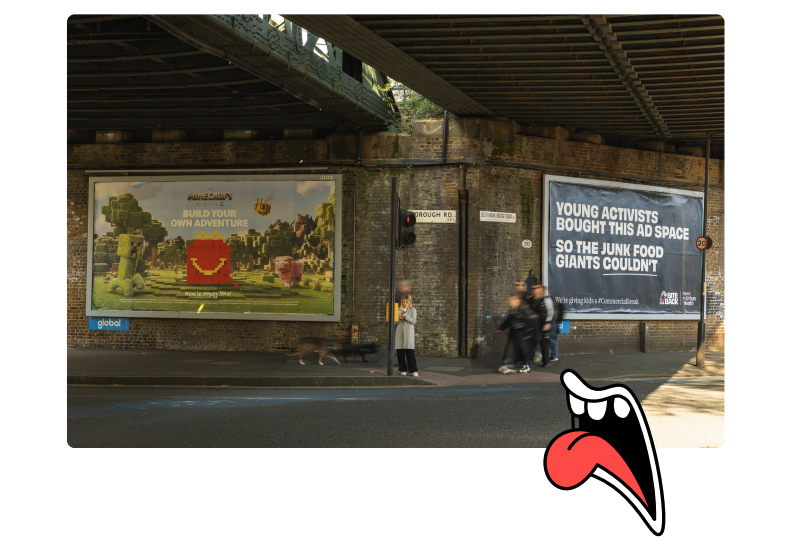
At the turn of the year, the Government introduced new restrictions on junk food advertising online and on TV before 9pm to help protect children and young people.
But our latest research reveals that some of the UK’s biggest food chains also reach young people through their own social media channels which don't fall under the regulations.
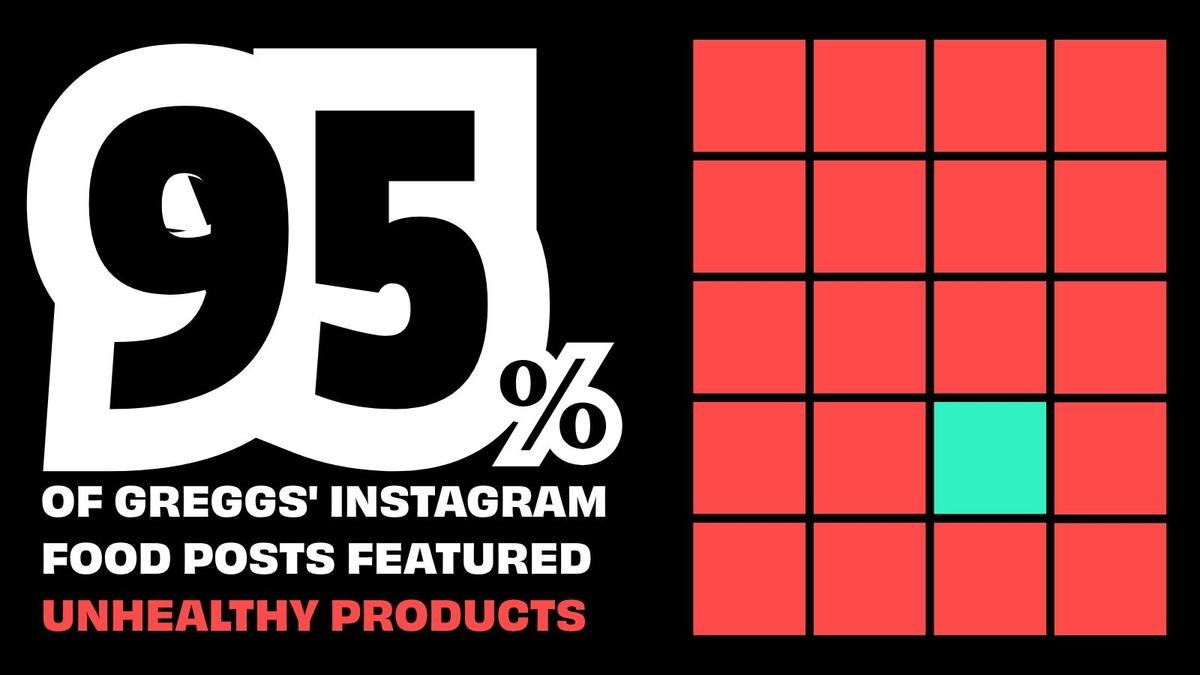
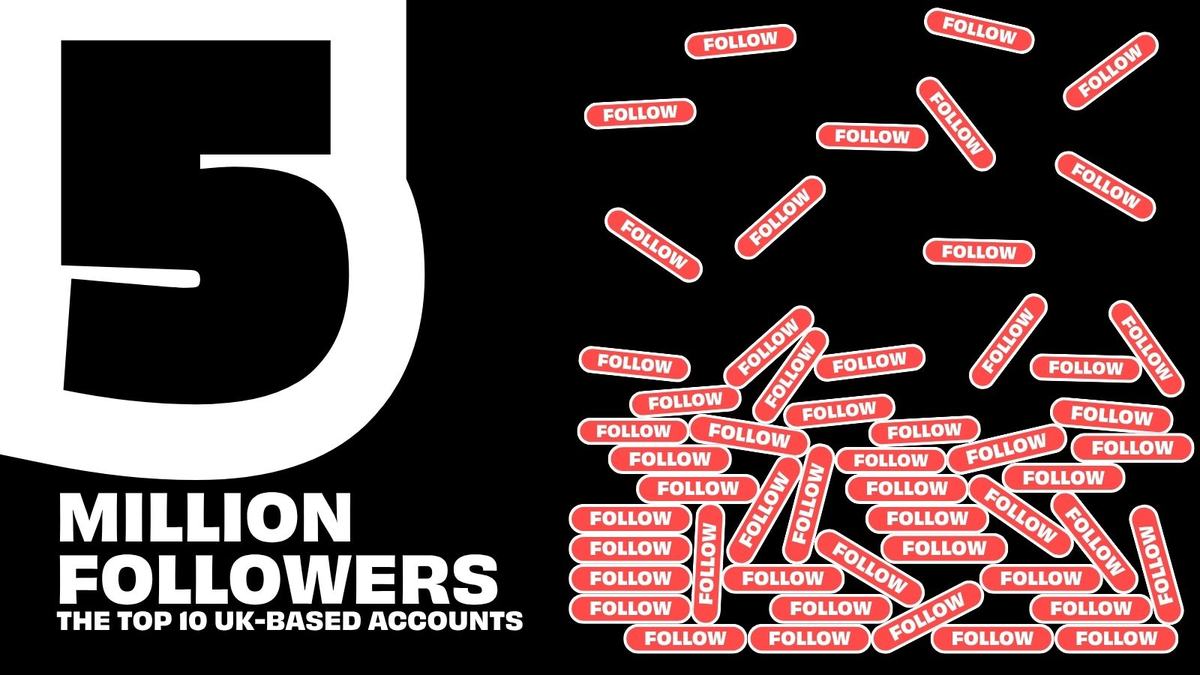
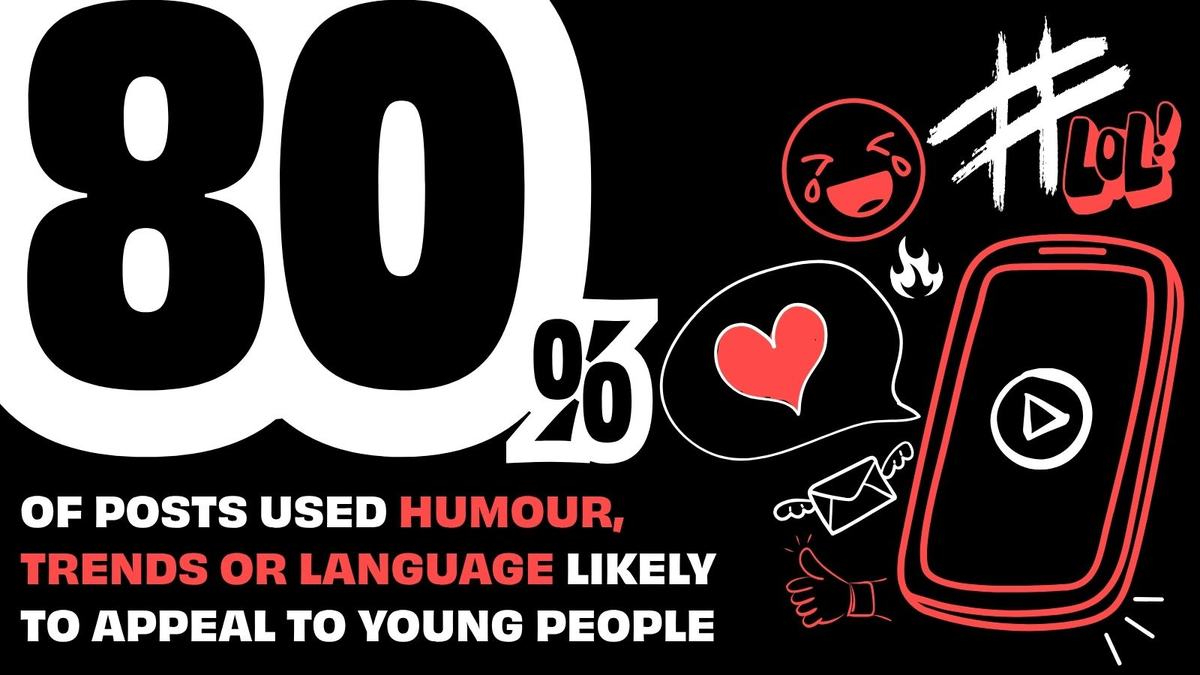
We analysed hundreds of posts from major food brands on TikTok and Instagram and uncovered how unhealthy products, viral trends, memes and youth-focused content dominate young people’s social feeds and For You Pages.
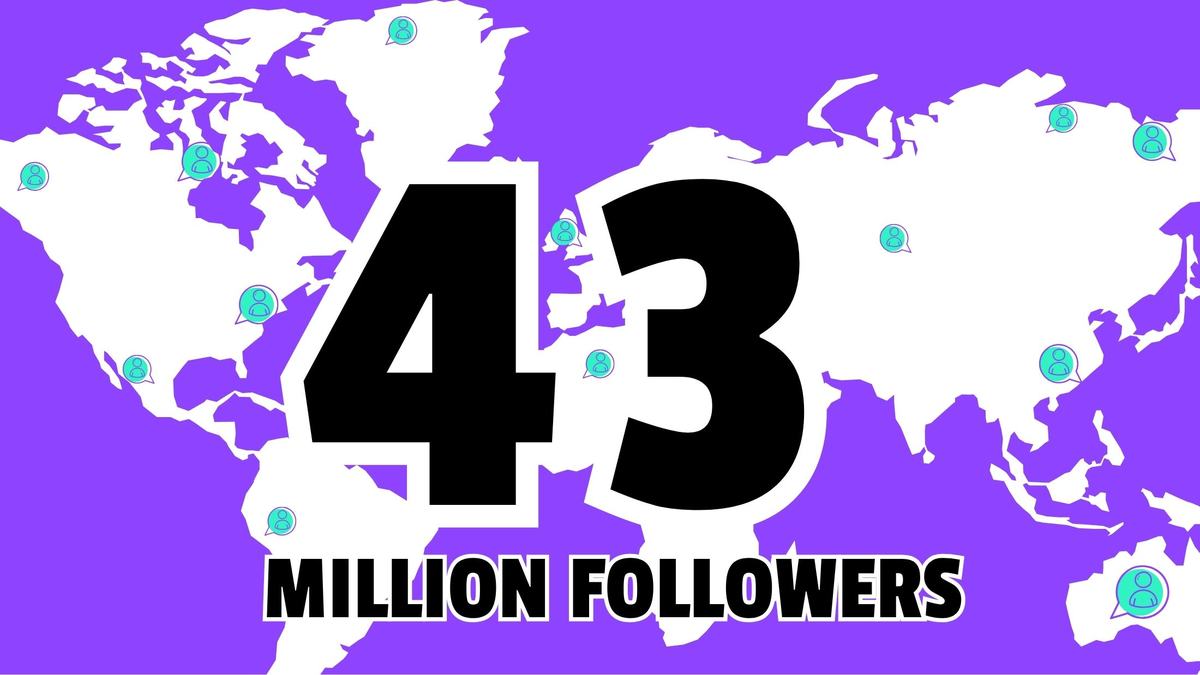
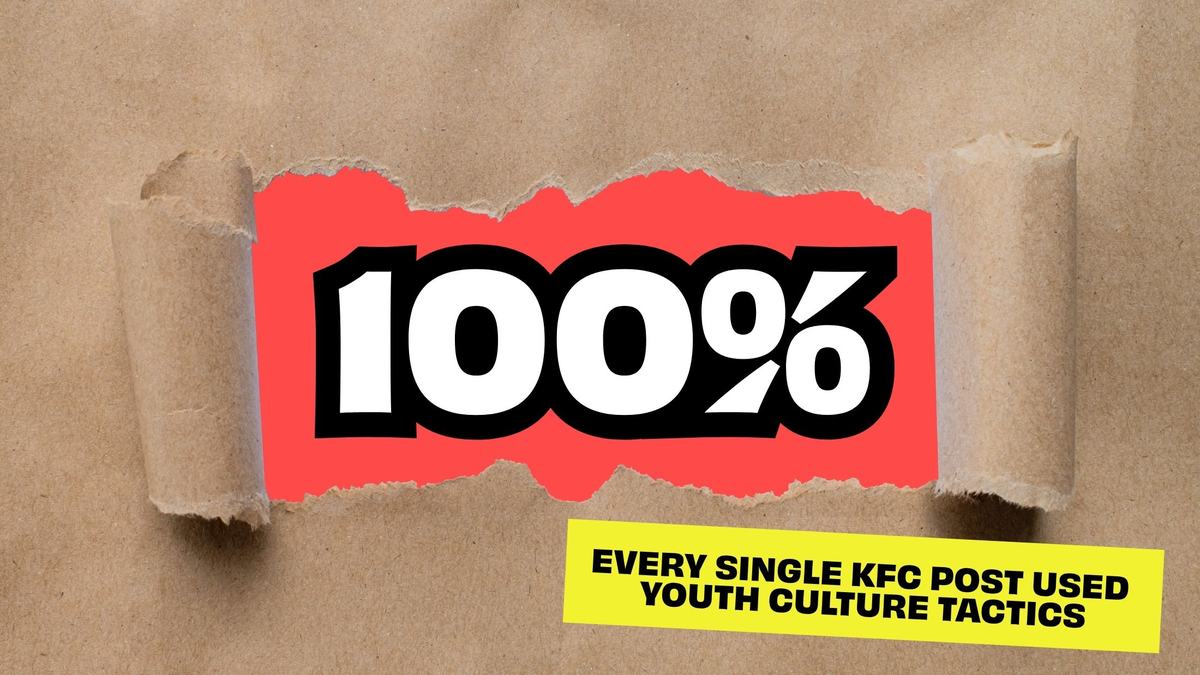
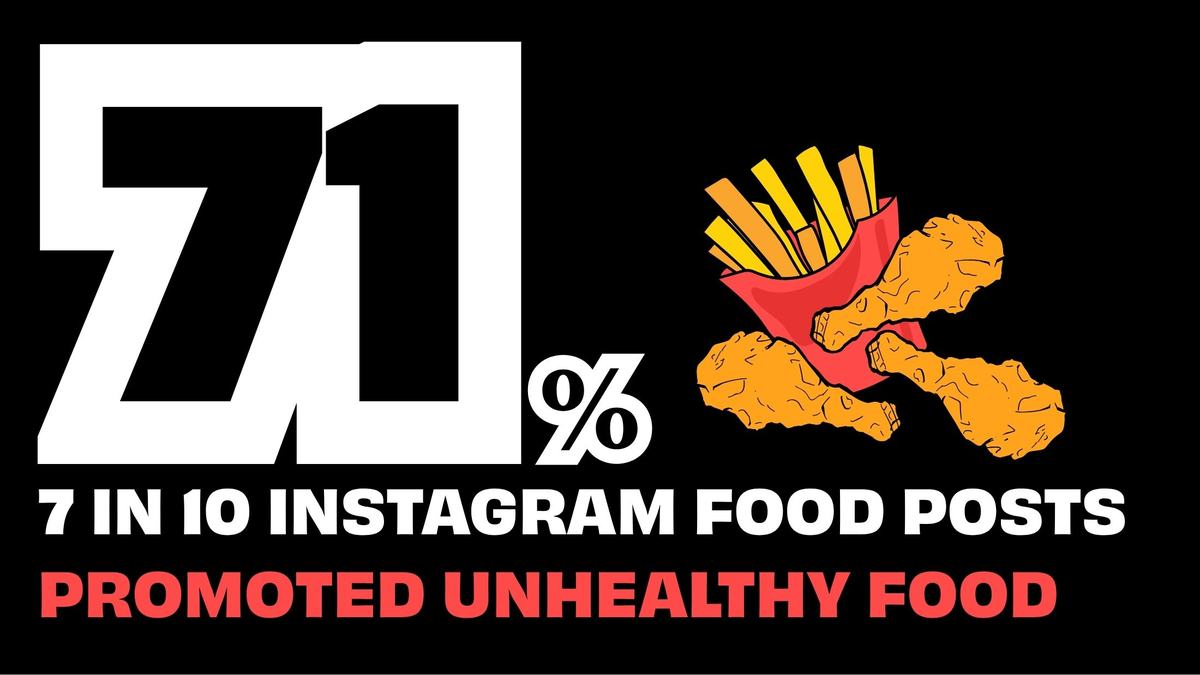
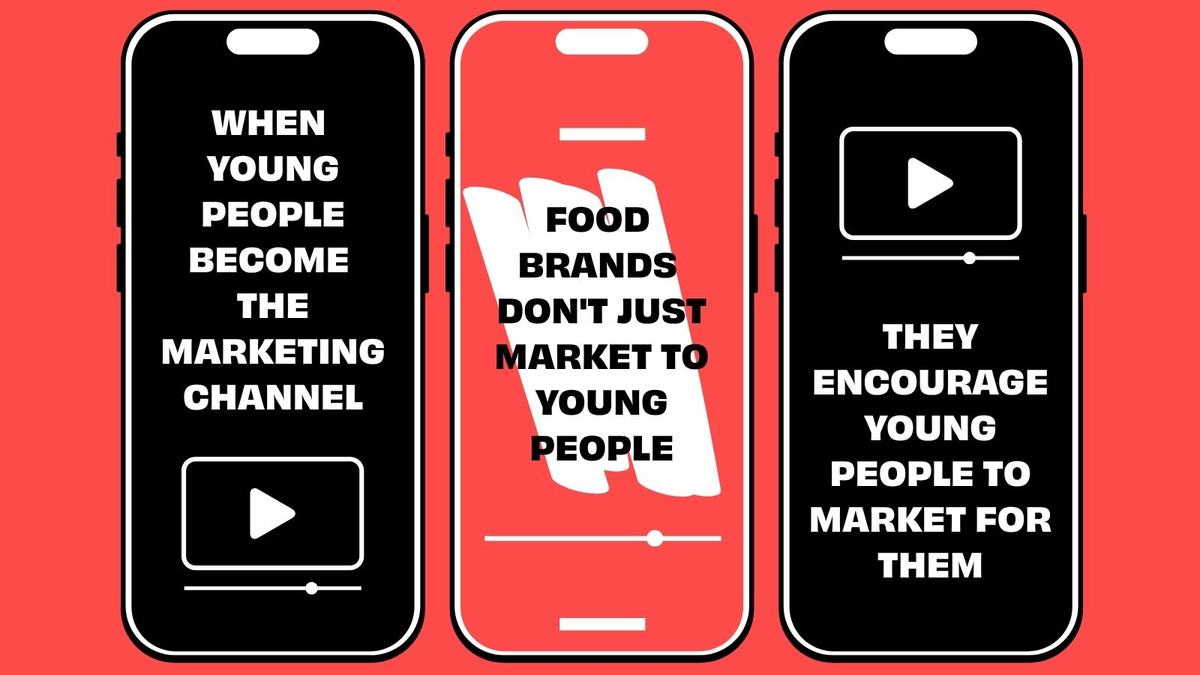
What We Found
Our research shows that Big Food is using its social media channels to keep unhealthy products visible, desirable and hard to ignore.
See the Tactics Big Food Uses
Food brands are not just posting pictures of products. They are using the language and culture of young people to make marketing feel like entertainment.
What Is Owned Media?
Owned media is content created and controlled by a business on its own channels, such as its social media accounts, website or app.
Unlike paid adverts, owned media can look like ordinary content in someone’s feed. That makes it harder to spot as marketing - especially for young people.
Young People Deserve Safer Online Spaces
Social media should be a space for creativity, connection and expression. But our research shows that Big Food is using young people’s online culture to keep unhealthy products visible, desirable and hard to ignore.
From memes and viral trends to influencers and Gen Z language, food brands are using tactics that blur the line between entertainment and marketing.

What Young People Say
What Needs To Change?
Bite Back is calling for stronger action to protect young people from unhealthy food marketing.
This includes exploring ways to limit unhealthy marketing through owned social media accounts and stop Big Food from using creepy tactics to reach young people online.
FAQs
What is owned media marketing?
Owned media marketing is content published directly by a company through channels it controls, such as social media accounts, websites and apps.
What are the other types of media marketing?
Paid media includes adverts a business has purchased, such as online display ads or paid-for influencer partnerships. Earned media includes content shared organically by others.
Are food brands allowed to advertise on social media?
Current restrictions cover some forms of online advertising, but owned social media content remains largely outside existing regulations.
What are HFSS foods?
HFSS stands for foods high in fat, sugar or salt.
How do food brands target young people online?
Brands use memes, influencers, trends, giveaways, humour and youth-focused language to build engagement and loyalty.
Why is owned media a loophole?
Owned media is treated differently than paid media under the current regulations but it’s a direct channel for big food brands to reach young people and market unhealthy products. In fact, it was included in the Government’s original proposal but dropped from the legislation after years of industry lobbying.
Help Expose Big Food’s Tactics
We can email you the report, and you can share the findings and help us keep an eye on how food brands market to young people.