Are Junk Food Ads Banned in the UK?
10 Jul 2026
Junk food advertising rules have changed in the UK, but that doesn't mean unhealthy food marketing has disappeared. Here's what the law covers, what it doesn't, and why young people are still seeing Big Food on social media.
What changed?
From 5 January 2026, new rules introduced restrictions on advertising foods high in fat, salt and sugar (HFSS). These include a ban on paid online advertising for less healthy food and drink products, alongside a 9pm watershed for TV advertising.
These changes are an important step towards reducing children's exposure to junk food advertising, but they don't mean junk food marketing has disappeared.
Why are young people still seeing junk food marketing?
Because marketing doesn't always look like advertising.
Our latest research found that many of the UK's biggest food chains reach young people through their own social media channels on platforms like TikTok and Instagram. Instead of paying for adverts, brands publish their own content using memes, viral trends, Gen Z humour, creators and other content designed to feel like entertainment rather than marketing.
This type of content is categorised as owned media content that businesses publish through channels they control, such as their social media accounts, websites and apps.
Our research found:
- More than 5 million people follow the top ten food brands we analysed across their UK Instagram and TikTok accounts.
- 71% of Instagram food posts featured an unhealthy product.
- 73% of TikTok food posts featured an unhealthy product.
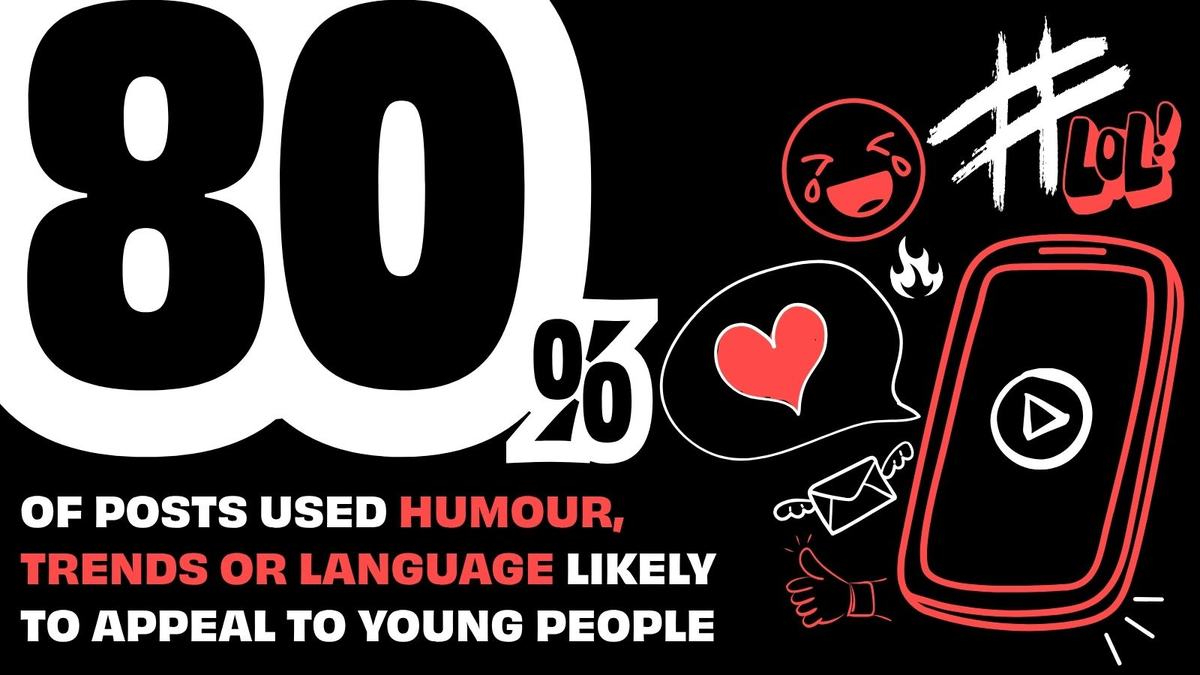
- 80% of posts used humour, trends or language likely to appeal to young people.
What happens next?
Current advertising restrictions mainly focus on paid advertising, meaning owned social media content remains largely outside these rules.
As social media continues to shape the food environment young people grow up in, it's important that regulations keep pace with the ways brands communicate online.