Social Media Junk Food Ads
At the turn of the year, the Government introduced new restrictions on junk food to protect children and young people.
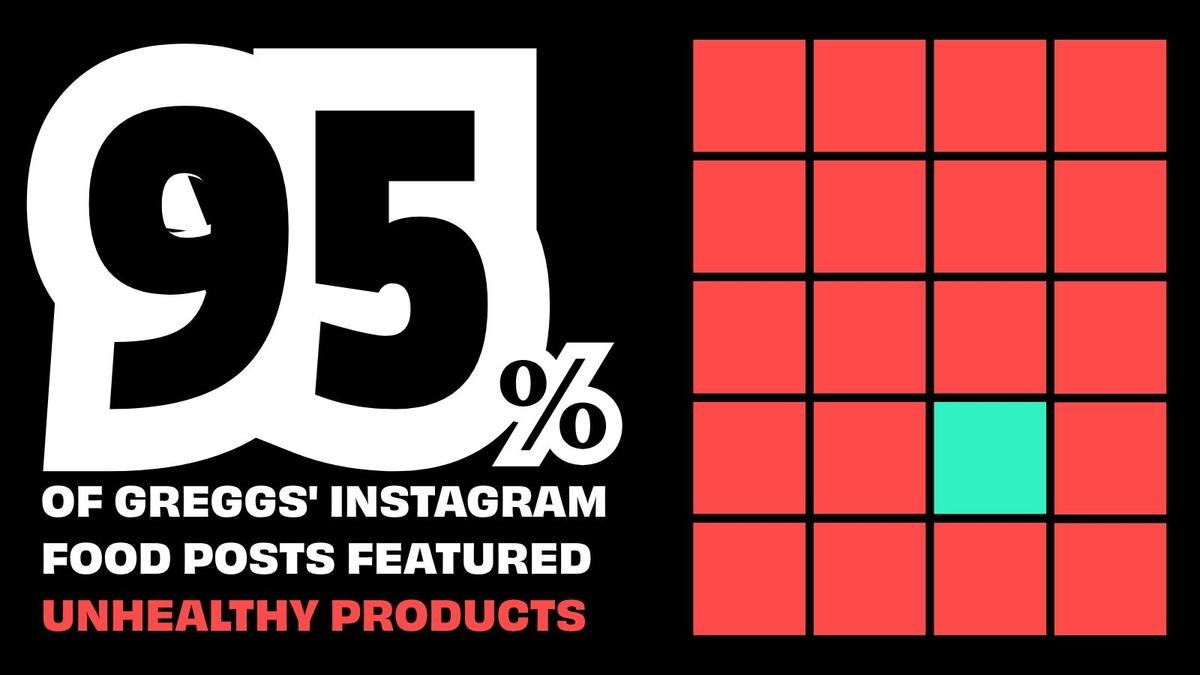
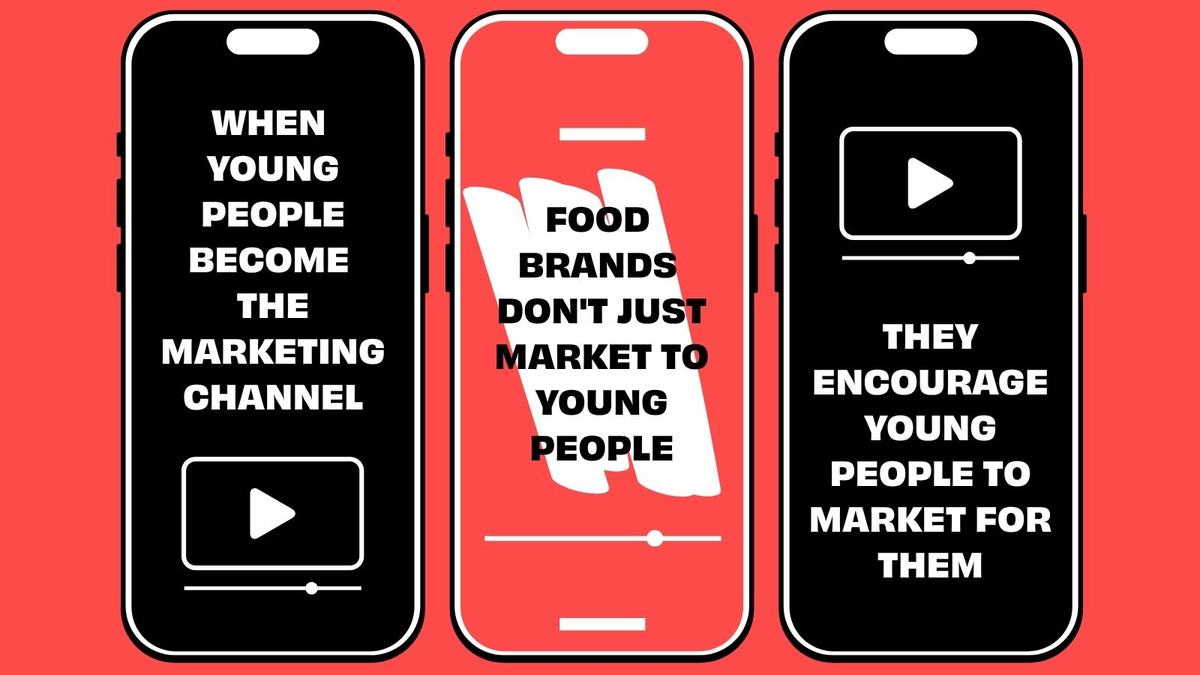
However, our latest research reveals that some of the UK’s biggest food chains are masters at reaching young people through their own social media channels.
We analysed hundreds of posts from major food brands on TikTok and Instagram and uncovered how unhealthy products, viral trends and youth-focused content dominate young people’s social feeds and For You Pages (better known as FYPs.)
Get the report in your inbox
- How often food brands promote unhealthy products on social media.
- The tactic brands use to appeal to young people
- Why current advertising rules aren’t enough
- What needs to happen next to protect young people’s health

Enter your email below to receive the report.
FAQs
What is owned media marketing?
Owned media refers to content published directly by a company through channels it controls, such as social media accounts, websites and apps. Owned media marketing is the use of these channels to engage customers and build brand loyalty.
What are the other types of media marketing?
Marketing via paid media includes using channels that a business has purchased – for example, online display ads or paid-for influencer partnerships. Earned media includes marketing content that is shared ‘organically’, or in other words, is not paid for by a business.
Are food brands allowed to advertise on social media?
Current restrictions cover some forms of online advertising (for example, paid media), but owned social media content remains largely outside existing regulations. Interestingly, owned media was originally included in the proposed legislation but later dropped.
How do food brands target young people online?
Brands use influencers, memes, trends, giveaways and youth-focused language to build engagement and brand loyalty.
What are HFSS foods?
HFSS stands for foods high in fat, salt or sugar. This classification is used to help identify ‘less healthy’ products to protect children’s health through advertising and retail restrictions.