What are HFSS Advertising Rules?
28 Jul 2026
Landmark junk food ad ban
Government protects children’s health
In January 2026, the Government’s long awaited advertising restrictions of less healthy foods were finally implemented. Bite Back activists celebrated this win as a massive step forward in protecting children’s health – incredibly important at a time when 1 in 3 young people are at risk of future food-related ill health.
The research is clear that food advertising has the power to shape what we consume. And big food companies pay a lot of money to put junk food front and centre – not ideal for child health. That’s why the Government set out the advertising restrictions in support of their ambition to create the healthiest generation of children ever.
The current restrictions are a start, but the food and advertising industry spent years delaying and diluting the policy, leaving loopholes for businesses to continue marketing junk food to children.
Scope of restrictions
Online and TV before 9pm
The Less Healthy Advertising regulations, otherwise known as the junk food ad ban, were intended to target media channels where children have the highest exposure to advertising. If a food or drink is considered less healthy it cannot be advertised online or on TV between 5:30 am and 9 pm.
There are two criteria a product must meet to be considered less healthy. First, the UK Government Nutrient Profile Model (NPM) is used to determine whether a product is high in fat, salt or sugar (HFSS). The NPM is a tool that balances beneficial and less beneficial nutrients to produce an overall score. If a food item scores above 4 or a drink scores above 1, it is considered HFSS.
Second, the HFSS product would need to fall into one of the 13 categories which the Government considers most harmful for child health. Among these categories are sugary drinks, savoury snacks and confectionery. If a product falls into one of these 13 categories and is HFSS, it is considered less healthy and therefore not allowed to be advertised online or on TV before the 9 pm watershed.
What’s still missing
Loads of loopholes
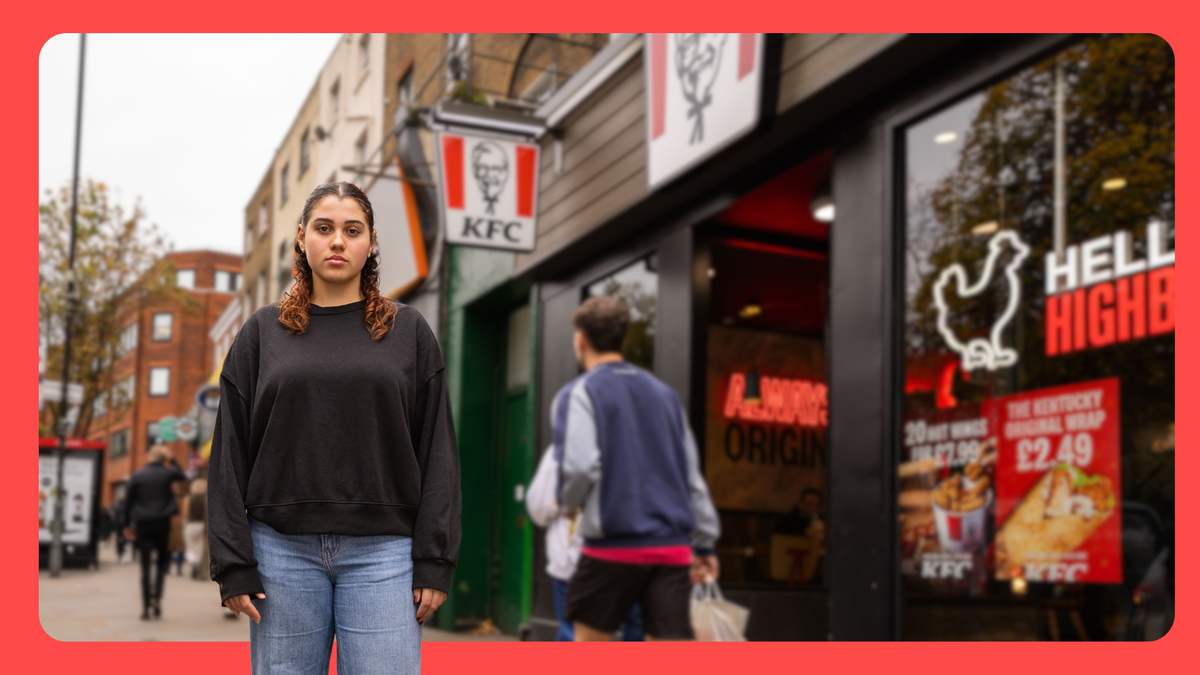
With years of industry lobbying, the regulations were diluted and delayed. This means there are still major gaps leaving children exposed to junk food advertising.
For example, owned media was included in the Government’s original proposal but later removed from legislation. However, our research revealed that the top 10 food chains use their social media accounts to build brand loyalty and market junk food to young people. We found that 72% of their Instagram and TikTok food posts were for HFSS food or drink.
Social media is just one example of unregulated spaces that food brands are eager to step into. Other examples include outdoor, sports sponsorship and video game livestreaming. Evidence already shows that after the advertising regulations were originally proposed, businesses increased their outdoor advertising spend by 28% between 2021 and 2024!
If the Government is serious about creating the healthiest generation of children, it needs to close these loopholes immediately.
What's Really Appearing on Young People's Feeds?
FAQs
What are HFSS foods?
HFSS stands for foods high in fat, sugar or salt.
What are the other types of media marketing?
Paid media includes adverts a business has purchased, such as online display ads or paid-for influencer partnerships. Earned media includes content shared organically by others.
Why is owned media a loophole?
Owned media is treated differently than paid media under the current regulations but it’s a direct channel for big food brands to reach young people and market unhealthy products. In fact, it was included in the Government’s original proposal but dropped from the legislation after years of industry lobbying.