Why do young people see so much food marketing?
12 Aug 2026
How social media algorithms, ad spend and digital marketing combine to create an environment saturated with food promotion, pushed into the faces of young people.
It’s a question you’d never think to ask.
Whilst studying nutrition, I was faced with some harsh facts about children’s health; rising rates of food-related ill health in childhood and the connection between food and poor dental health in children being amongst them. But I just couldn’t crack the question of WHY this was happening. When science is evolving, when we know now better than ever before what foods are ‘good for our health’ and what are ‘bad for our health’, surely the statistics would point the other way?
But joining Bite Back, I realised I was asking the wrong question all along. Instead of wondering ‘why isn’t children’s health getting better when they know better about food?’, I should have been asking ‘why isn’t it easy for children to actually live healthily?’
And every time a young person stands up and says they get messages from junk food companies before their friends, that their favourite influencer is constantly promoting an unhealthy product on social media, and that the flood of junk food ads is relentless and draining, that same question crosses my mind.
The reality behind the marketing machine
The truth is, there are marketing masterminds behind the excessive promotion of unhealthy food. Young people today are a generation doing what no youth before them have done; as they flex seamlessly between the online and offline worlds, the definitions of friendship and connection are evolving with them.
This makes it so much easier for brands to reach them, and to weave into those very threads of friendship. They’re able to hide paid ads in the form of scroll stopping user generated content, create their own trends to be boosted through social media algorithms, and platform their products across a plethora of digital platforms.
Instead of ‘just’ being on billboards and bus stops, junk food brands are spending millions to be at the top of TikTok shop, gaming and streaming platforms, and even in our DMs.
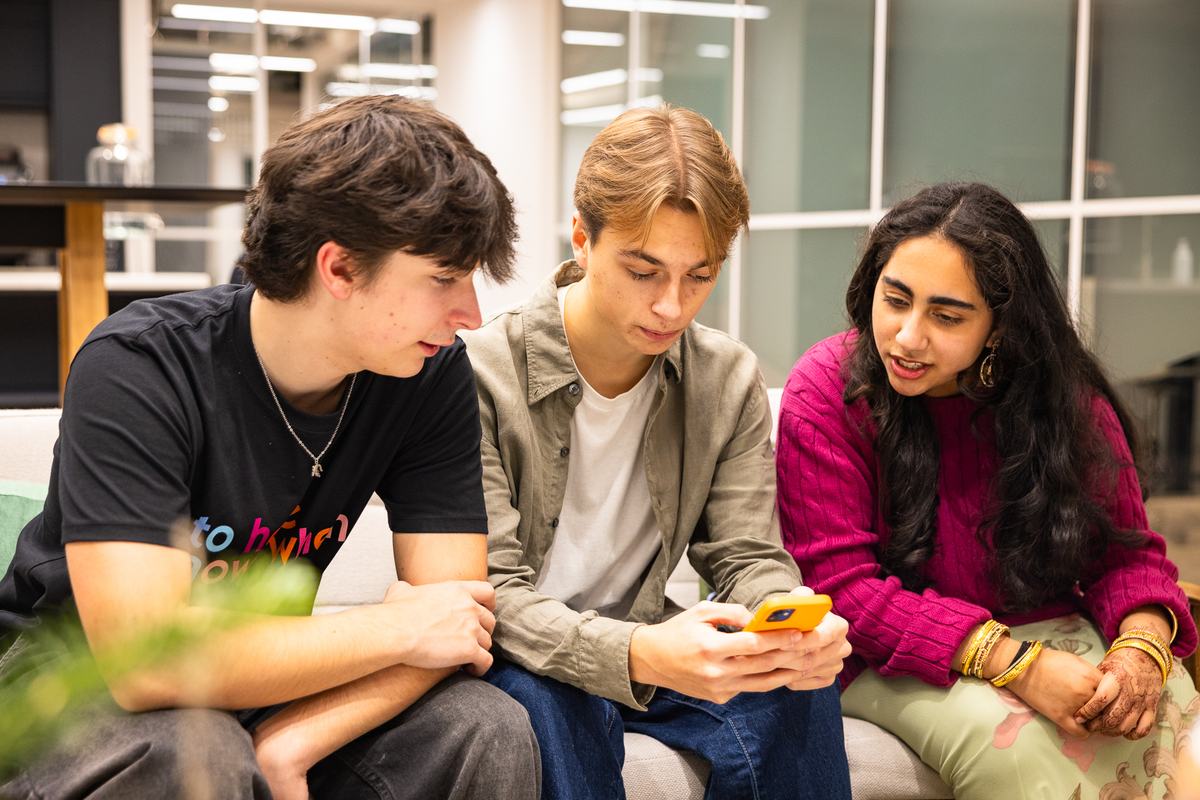
Protecting children’s health from being targeted by junk food brands is not as simple as covering a kid’s eyes when something [quite literally] unsavoury appears on a television screen. It’s now about protecting online and offline spaces where young people connect, make friends, and go for entertainment.
What do young people say:
Bite Back activist Isla is one of these young people calling out unfair marketing practices by junk food brands.
Being a teenager is such a key stage in our lives. It's where we are developing our identities, we are figuring out where we belong and who we want to become. It's full of first experiences and it's such a strange and unforgettable part of our lives, but we are also becoming more influenced by our peers and advertising that surrounds us. Looking at my own experiences, (and I'm sure many can relate) food isn't all about hunger, we eat it because it has also become associated with an activity.
Many teenagers can confirm that there are definitely social images attached to these foods. How ordering takeaway or delivery food can be associated with being outgoing, or trendy whereas eating homemade food that's been prepared by a parent or a grandparent is often portrayed as less desirable. Marketing helped create these perceptions, and it’s now making them stronger.
Social media just amplifies the issue way further. Brand collabs with celebrities, the Mukbang creators and influencers all contribute to making unhealthy foods appear exciting to us.
I want to see a future where brands don't disguise marketing as friendships, where influencers don’t pretend to love products just for a payout and where a product's value comes from what it actually is. Where we can trust what we are being shown and that a product we pick up in the shops is good for us.
Our latest research exposes how the top ten food and drink brands in the UK are using their social media channels to target young people. Get the full scoop: