How Big Food uses memes, trends and internet culture.
22 Jul 2026
Working in social media has given me a front-row seat to how quickly online culture changes and how powerful trends, memes, and digital communities can be.
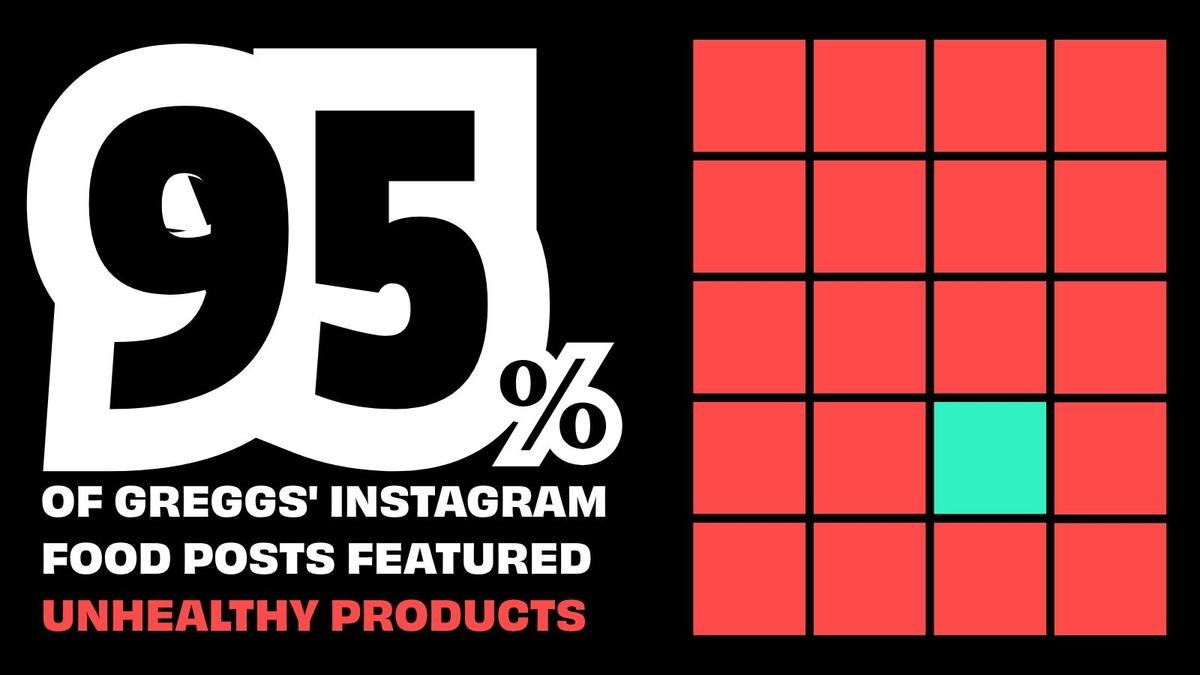
While looking at how junk food brands are showing up across social platforms, I started to notice how easily marketing is blending into the content young people scroll through every day.
This article explores the impact of this approach to marketing, including how brands are using social media culture, trends and AI-driven content to capture young people’s attention—and why we need to think more carefully about this.
When Brands Become Part of Internet Culture
After nearly four years at Bite Back, managing social media and spending every day immersed in youth culture, I’ve seen just how quickly online trends change-and how much they shape the way young people communicate.
From memes and slang to viral characters and TikTok trends, internet culture has become one of the biggest ways for brands to connect with younger audiences. We’ve all seen brands like Ryanair and Duolingo build huge online personalities that are almost as recognisable as the products they sell.
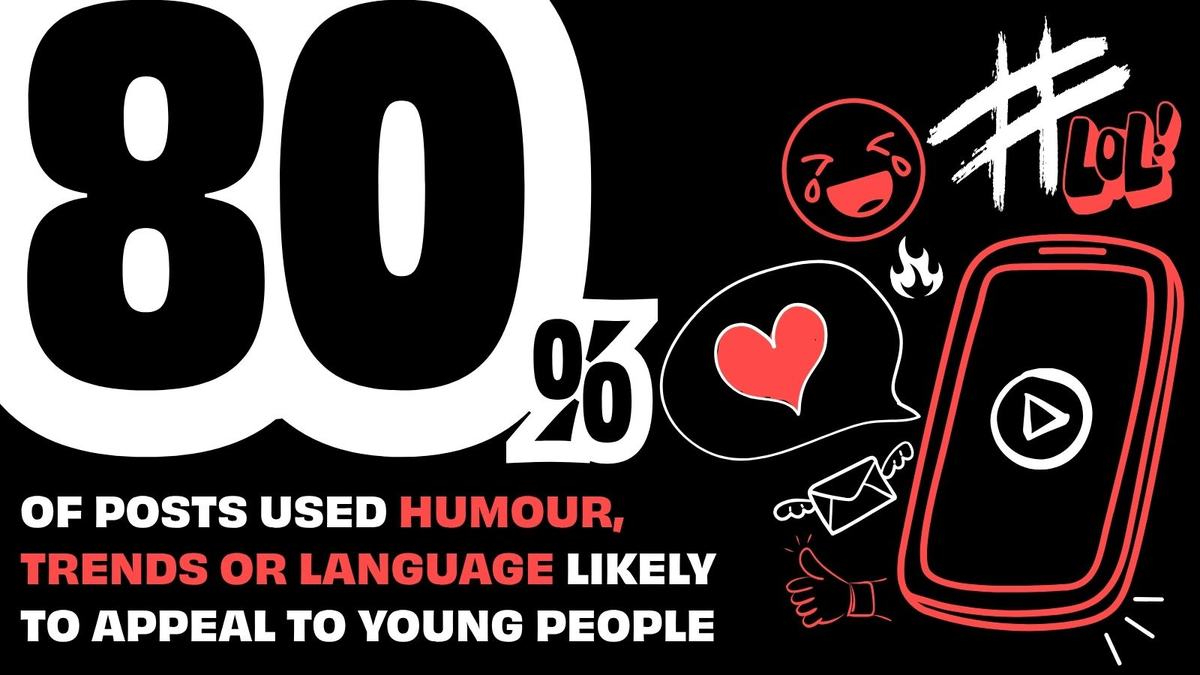
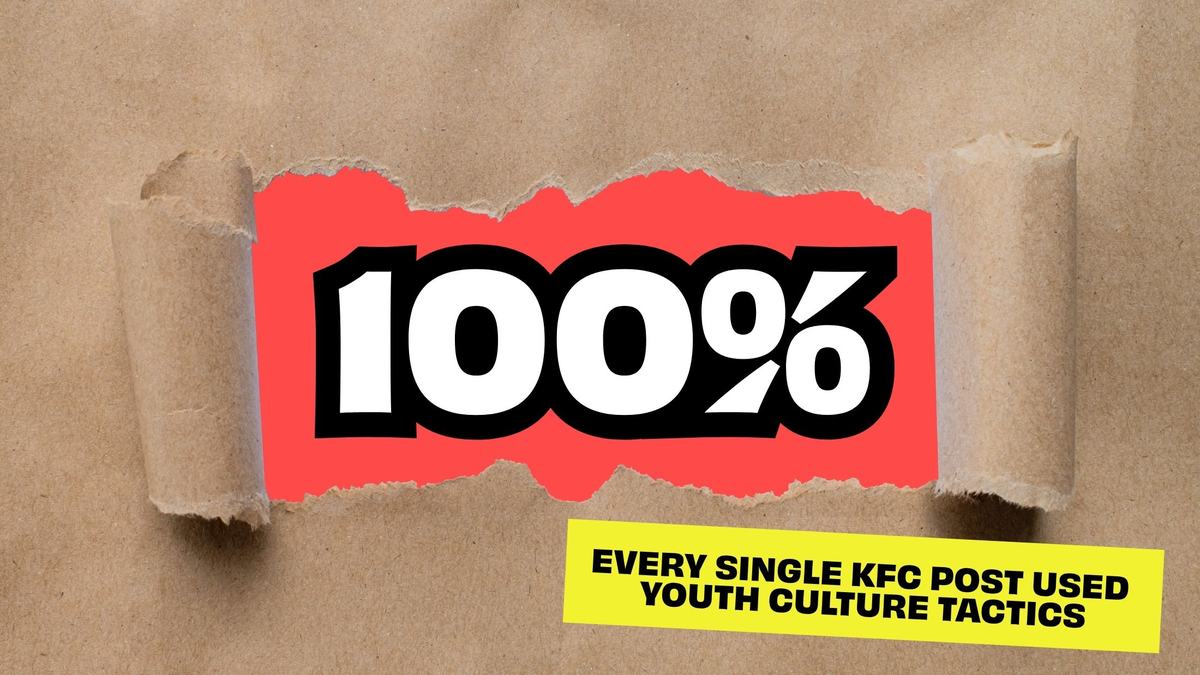
But while working on our latest campaign and looking through our new report on junk food brands’ social media activity, I came across something that really surprised me. The gap between entertainment and marketing is becoming harder and harder to spot. Junk food companies aren’t just running traditional adverts anymore-they’re creating content that looks and feels like the online culture young people already love.
The Race for Young People’s Attention
What stood out was just how much of this content was designed to grab attention instantly. Bright colours. Fast edits. Viral sounds. AI-generated characters. Endless trends. Every post is fighting for a moment of someone’s attention.
It’s like taking a normal advert and turning everything up to the maximum.
On platforms where the most eye-catching content gets rewarded, this type of marketing doesn’t just promote a product-it takes up space in people’s feeds, conversations and online experiences.
A lot of the content used memes and characters that are already hugely popular with children. Trends like Skibidi Toilet and Tung Tung Tung Sahur are familiar to many young kids-even my five-year-old nephew knows them.
Which leaves us asking: who are these brands really trying to reach?
Because marketing isn't just about selling something. It can shape what young people see as normal, popular and desirable.
Where Do We Draw the Line?
When foods high in fat, salt and sugar become part of the jokes, memes and online moments young people enjoy, the marketing message becomes mixed into the culture they’re part of.
Childhood and teenage years are when people are building their identities, habits and relationships with food. So should unhealthy food brands be able to blend their marketing into the same spaces where young people learn, play and socialise?
The rise of AI makes this even more complicated. If adults sometimes struggle to tell the difference between entertainment and marketing, how can we expect children to spot it?
As social media professionals, campaigners and policymakers, we need to think about whether the rules we have today are keeping up with the way brands are communicating online.
The future of food marketing shouldn’t just be about who can win the attention game. It should also be about who takes responsibility for how that attention is used.