The life cycle of manipulation: How brands target us from birth
14 Oct 2026
Bite Back activist Isla exposes the manipulation of Big Food companies, and her mission to fight back against a marketing machine.
As someone coming from a very busy household with six other siblings, aged between 1 and 17, I get to see how different advertisements are targeted towards different life stages. So, I decided to do some research around my house and online to show what types of food and drinks are advertised to different age groups, and the tactics used to promote them. There’s a huge contrast between what my little sister and brother eat vs what they often see on television.
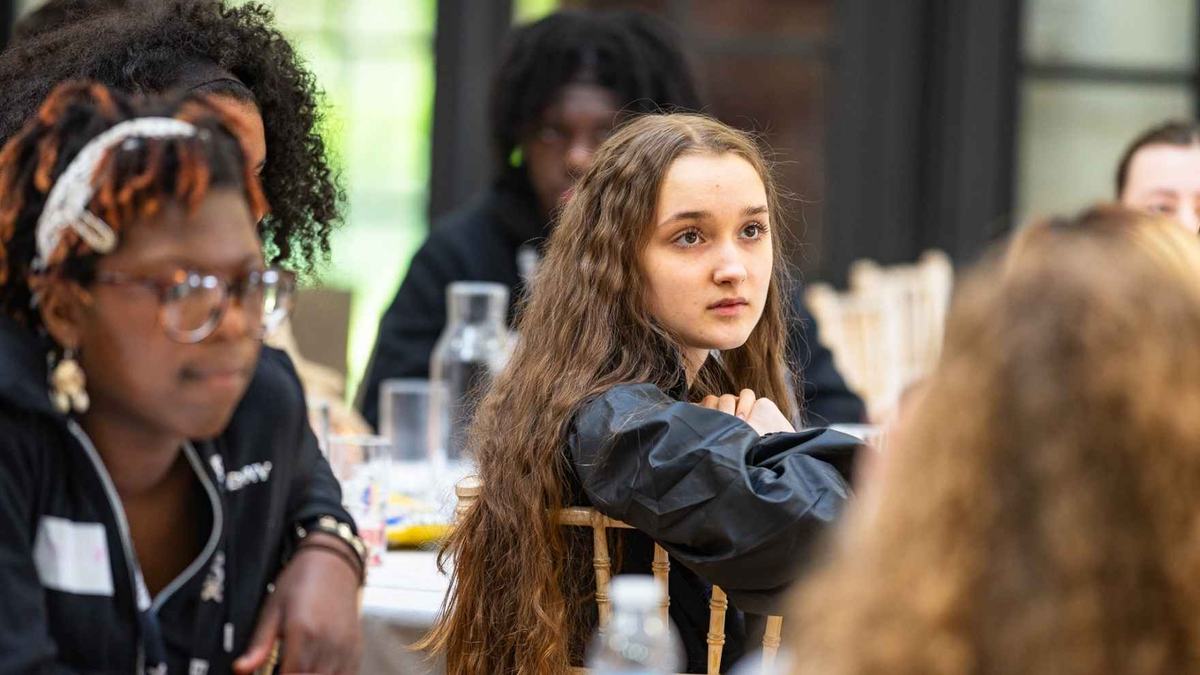
Across all of my littlest siblings' favourite shows, foods featured included things such as cupcakes, pizzas, burgers and other unhealthy products, whereas healthy foods seem to be mostly absent.
Children need to eat healthily in these important years of development, so why isn't this then shown on their TV shows? Why are these colorful, greasy, sweet and indulgent items painted all over the screens?
Young children can be eating what’s physically good for them, yet all the while their brains are being flooded with unhealthy food and they’re learning harmful things like the false association of greens being a punishment.
I found a study noting children become aware of food advertising as young as 3–5 years old.[1] This means we’re seeing ads before we even fully understand the difference between healthy and unhealthy foods.
I’ve seen this with my brother: he'll often only try new foods if he sees characters he recognises eating them. All he sees is a fun character like Shaggy who likes to eat stacks of junk food. He doesn’t see the impact junk food can have on his health.
And it’s not just on TV: digital devices are a part of everyone's day to day life. This means that children are no longer just seeing food marketing on television, they are seeing it across games, videos and all the other online spaces we use every day. This means more opportunities for unhealthy foods to be promoted.
Brands can now target children by using imagery and stories that create the idea of fun, magic and imagination, building emotional associations to the food. McDonald’s happy meals lure us in with free toys. Kinder joy uses the plastic egg and “collect them all” to create the thrilling anticipation of getting a cool toy. Lunchables even turn lunch into a fun building game: me, my brothers and sisters would always recreate Shaggy’s iconic metre high stuffed sandwich from Scooby Doo every time we would get Lunchables. I associated the food with fun memories, it was an inside thing all of us bonded over, competing on who could fit the sandwich inside their mouth and make the tallest one.
But why can’t these tactics be applied to healthier foods?
I found a study showing how children categorise food.2 They consistently describe “grown up food” as those that were categorised as unpackaged, unprocessed, plain, and brown. But in contrast "kids' food" was described as pre-packaged, colourful, lots of fun shapes and often linked to snacks, sweets and fast food.
Marketing and programmes play a major role in making these associations. I’ve found that my younger siblings also often talk about "adult food" and "kid food" as if they're completely different categories in my household. And in my role as a proud Bite Back activist I feel an urge to share my story and change this.
Turning to teenagers; adolescence is such a key stage. It's where we are developing our identities, we are figuring out where we belong and who we want to become. It's full of first experiences and it's such a strange and unforgettable part of our lives, but we are also becoming more influenced by our peers and advertising that surrounds us.
Looking at my own experiences, (and I'm sure many can relate) food isn't all about hunger, we eat it because it has also become associated with an activity.
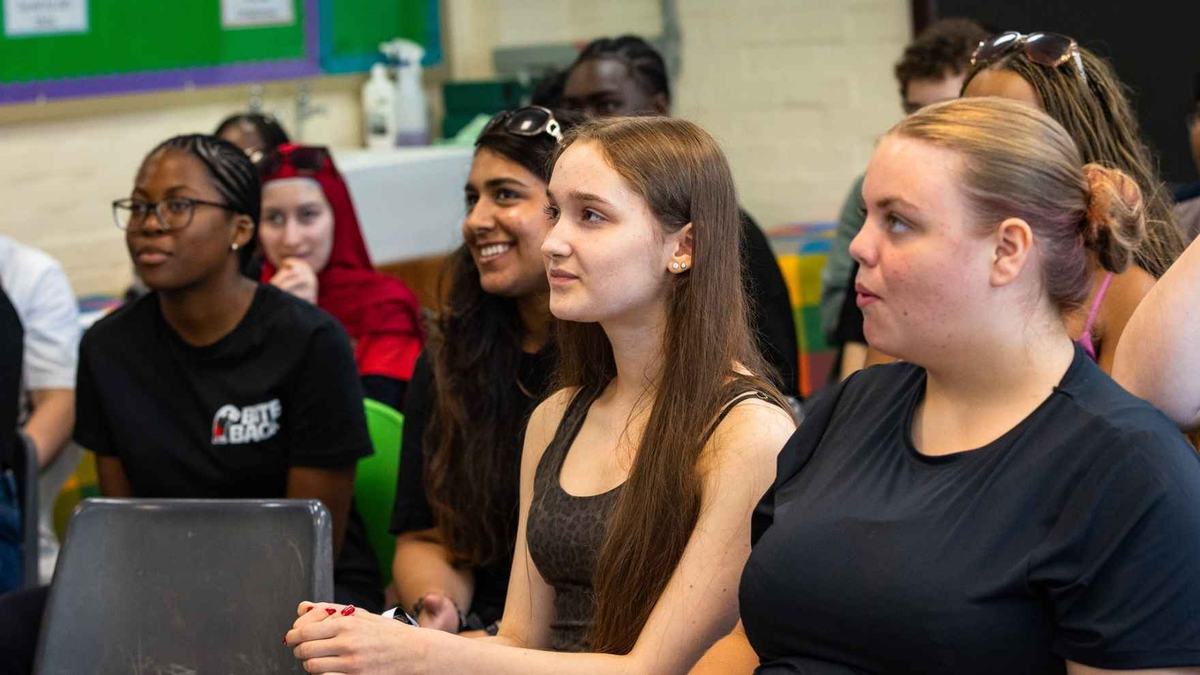
Food is connected with bonding. It's popcorn during a movie, birthday cake at birthdays or ordering Domino’s at a sleepover. The food becomes part of the experience itself. The memory isn't just about the thing we ate, it’s who we were with and how it made us feel. Food becomes memories, strengthens friendships and turns into moments that stick with us. But it doesn't have to be the unhealthy options that stick with us.
Why do junk food brands target us like this?
Well, it simply comes down to profits and brand loyalty, the things they care about over our health. They make their products a part of these moments we share because when we have linked one of their products to happiness, we are far more likely to choose it again.
In the evenings, my older sister and I like to watch Netflix together. We both get a snack and then we put on our show. Before we know it we are spending the whole episode laughing, talking over characters whilst making comments, making predictions about what's going to happen next, debating who's right, making bets and then joking when (she) gets it completely wrong. The food isn't the reason we are together, but it becomes part of the process. Big Food companies understand this very well. They know it's not all taste; it's emotion, belonging, things we want to repeat. They have transformed certain foods into teenage life! The product becomes connected to our memories, and the brands are associated with our friendships.
Marketing is this powerful! It does not just influence what we all buy…it influences what we associate with being a fun friend, food bonding in friendships and fitting into the group.
This isn’t just something I've noticed personally.
What do young people have to say about junk food marketing?
Many teenagers can confirm that there are definitely social images attached to these foods. How ordering takeaway or delivery food can be associated with being outgoing or trendy whereas eating homemade food that's been prepared by a parent or grandparent is often portrayed as less desirable. Marketing helped create these perceptions, and it’s now making them stronger. We need to break this wall that Big Food has made!
Social media amplifies the issue way further. Brand collabs with celebrities, the mukbang creators and influencers all contribute to making unhealthy foods appear exciting to us.
When you become an adult the marketing changes… again. We outgrow our childhoods of magic, cartoon characters and free toys. Our tastebuds have now been successfully processed and thoroughly moulded by unhealthy products. Suddenly, we enter a new world, a world that promises a ‘fix’, making us feel like we need to improve ourselves and buy their products to do so.
Here, we are no longer being sold that fun and excitement we once were, we are being told that food exists to fix problems. Companies begin selling us optimisation. The ordinary parts of our adult life just become things that need improving: Feeling tired after working. Getting older. Being busy. These are all normal experiences! But they have just become an opportunity to just sell yet another product.
Food stops being sold as an experience for us and starts being sold as a checklist. Like macros, fuel, clean ingredients. The fun gets stripped. But junk food companies made sure healthy food never felt fun or easy. Why shouldn't it be, though? We need to reclaim what real food was supposed to be all along.
I want to see a future where brands don't disguise marketing as friendships, where influencers don’t pretend to love products just for a payout, and where a product's value comes from what it actually is. Where we can trust what we are being shown and know that a product we pick up in the shops is good for us.
I would like to see culture, creativity, and humour begin to apply to healthier foods. Incorporating those same childhood experiences, that nostalgic feel. I see a future where it could be something that our body would thank us for eating. Items like fresh watermelon in the summer, or an old memory of wholesome comfort food. We all have an item like this.
Do you want to see this too? Awareness alone won’t change the world but it is where the movements begin. Change starts when people begin to notice what was once invisible. Help me pull back the curtain on something that is happening right in front of us, so we can move towards the better future we all want to see.