School Food Standards: The Rules Aren't Working If Nobody Checks
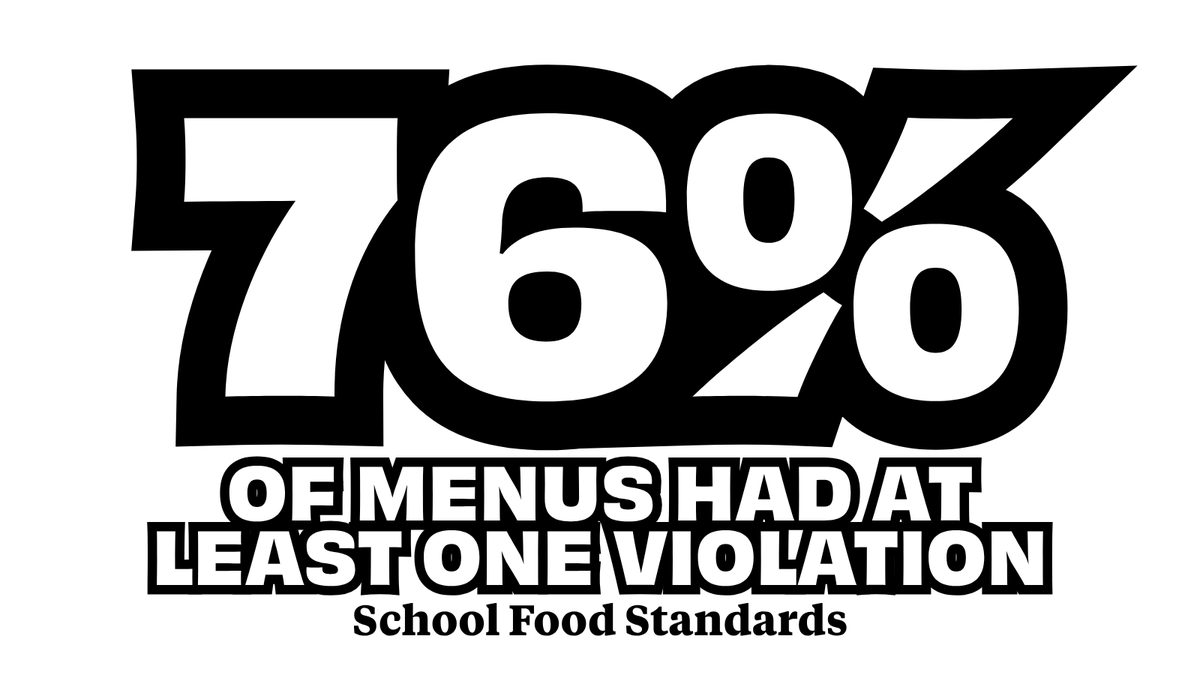
Our new research reveals that 76% of secondary school menus analysed had at least one confirmed violation of the current School Food Standards.
We analysed nearly 400 school menus from across England to understand whether the food being served to young people meets the rules designed to protect their health.
What we found is worrying.

Our research found:
- 76% of menus had at least one confirmed violation of the School Food Standards.
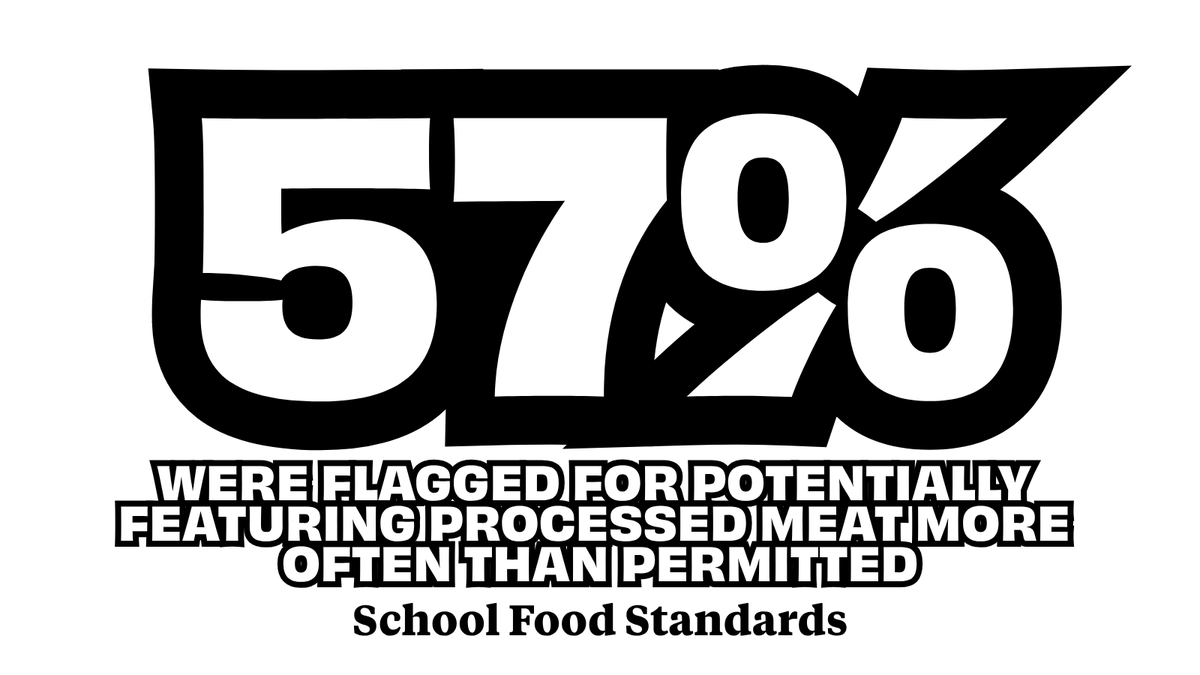
- 57% were flagged for potentially featuring processed meat more often than permitted.
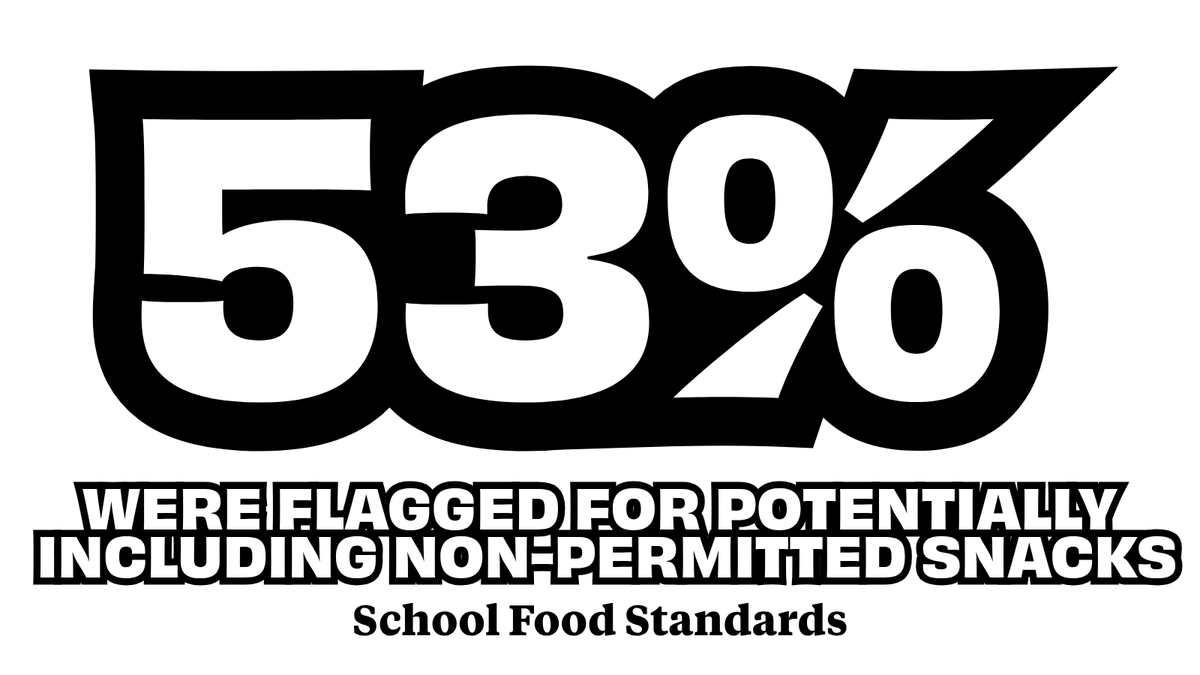
- 53% were flagged for potentially including non-permitted snacks.
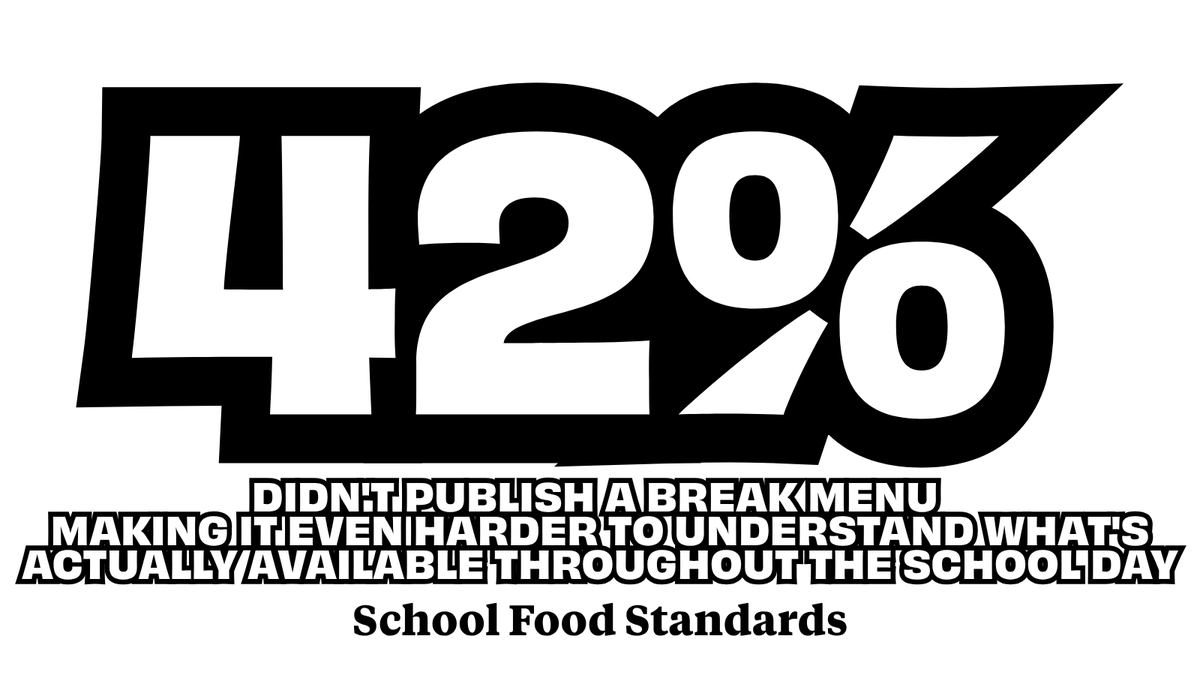
- 42% didn't publish a break menu - making it even harder to understand what's actually available throughout the school day.
The research used an innovative AI-assisted analysis, with potential violations reviewed and confirmed by a human researcher.
New standards need proper monitoring
School food providers need to embrace the new rule that protects students' health, and the Government must make sure the new School Food Standards are monitored, enforced and actually followed.
England's School Food Standards are set for their biggest overhaul in over a decade.
That's a huge opportunity to improve the food young people eat at school.
But changing the rules isn't enough.
School food providers need to embrace the new School Food Standards designed to protect students’ health, and The Government must make sure the rules are actually followed. That means putting a system in place to monitor what’s being served and take action when food isn’t meeting the mark.
Because every young person deserves healthy, nutritious school food no matter where they live.
What are the School Food Standards?
The School Food Standards are rules governing the food and drink provided in schools in England.
Are schools following the School Food Standards?
Bite Back's analysis found that 76% of the 391 accessible secondary school menus analysed had at least one confirmed violation of the current standards.
How did Bite Back analyse school menus?
Bite Back used an AI-assisted analysis pipeline to identify potential violations in publicly available menus. Flagged menus were then manually reviewed by a human researcher before violations were confirmed. If one violation actually existed, the menu was considered non-compliant.